From the cinematic worlds of streaming platforms to the fast-paced arenas of esports, data has quietly moved into the director’s chair. Artificial intelligence, analytics, and digital transformation are no longer working behind the scenes. They are now shaping how entertainment is created, delivered, and experienced.
Across television, streaming services, gaming, and digital media, data is becoming a central force. Broadcasters, filmmakers, and content creators are using it to understand audiences, refine storytelling, and design more immersive experiences.
As the entertainment landscape evolves, data and machine learning are guiding the industry towards new levels of personalisation, user engagement, and innovation.
Data and Modern Storytelling
The entertainment industry has always relied on understanding its audience. What has changed is the scale and precision with which that understanding is now possible.
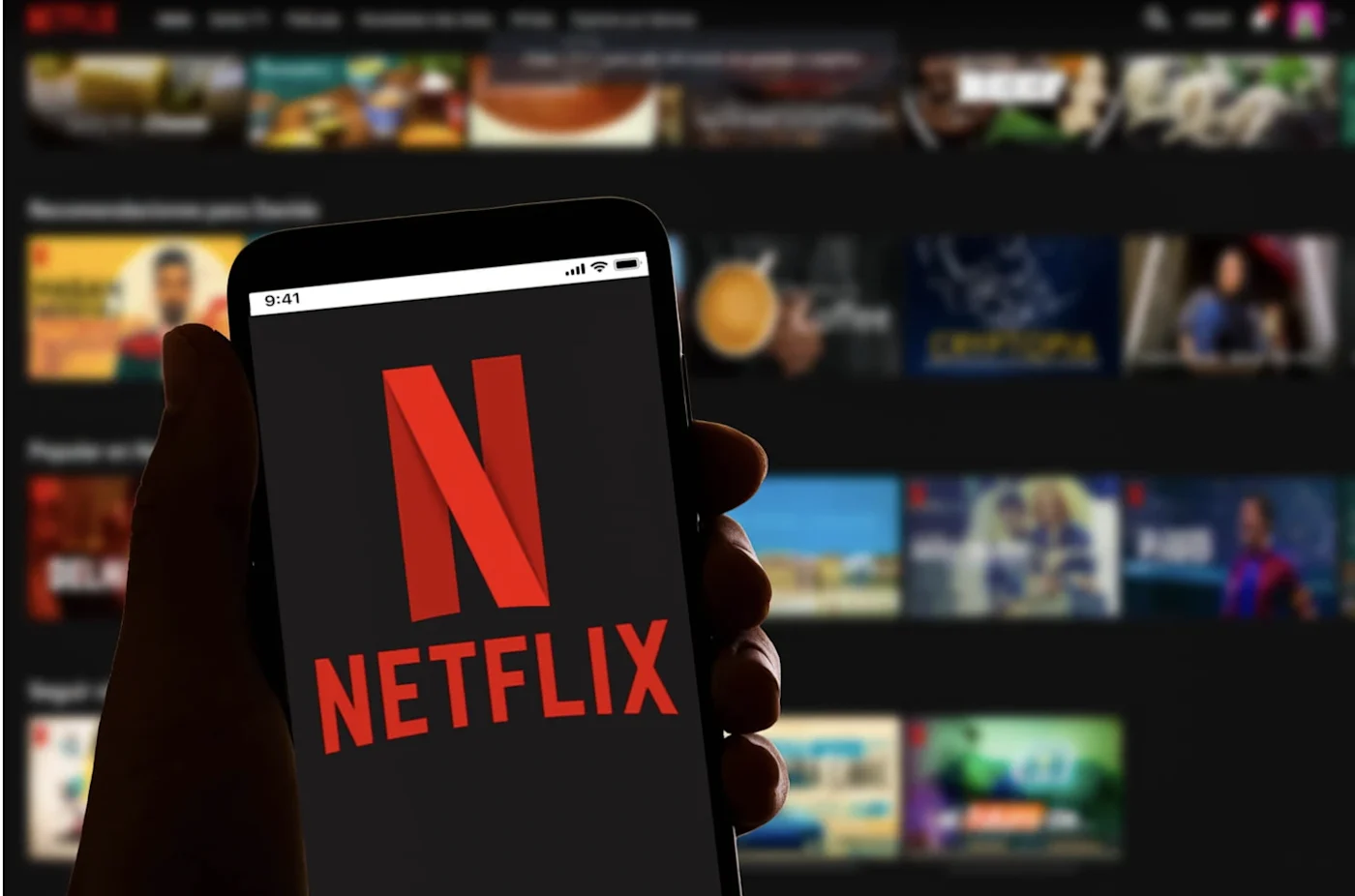
Streaming platforms such as Netflix and Amazon analyse vast amounts of viewer data. Every pause, click, and viewing choice helps shape the recommendations audiences see next. These insights allow platforms to continuously refine their content strategies and deliver experiences that feel increasingly personalised.
In gaming and virtual reality, data plays an even more dynamic role. Developers analyse player behaviour to understand how users interact with characters, narratives, and environments. This allows them to refine gameplay, adjust difficulty levels, and design experiences that keep players engaged.
Importantly, data does not replace creativity. Instead, it complements it. While creators imagine the stories, data helps ensure those stories find the audiences most likely to connect with them.
How Streaming Platforms Use Data
Think about the last show recommended to you on Netflix. It was almost certainly not random.
Streaming platforms rely heavily on data analytics to curate highly personalised viewing experiences. By analysing search behaviour, viewing patterns, and completion rates, algorithms can predict what users are most likely to watch next.
This level of personalisation helps reduce subscriber churn while increasing engagement. The result is a platform that constantly adapts to individual viewing habits.
The potential applications extend far beyond film and television. Similar data-driven approaches could transform areas such as live events, theatre, and music streaming, allowing experiences to be tailored to individual audiences.
Enhancing Gaming and Virtual Reality Experiences
Gaming represents one of the most data-driven areas of the entertainment industry.
Every player interaction generates valuable insights. Developers analyse these interactions to improve gameplay mechanics, refine narrative structures, and design future releases that resonate more strongly with audiences.
In virtual and augmented reality environments, data also helps developers understand how users navigate digital worlds. By studying where players explore, engage, or struggle, designers can refine virtual environments to make them more intuitive and immersive.
This continuous feedback loop allows gaming experiences to evolve in real time, creating environments that adapt to player behaviour and preferences.
Data Insights for Creators and Filmmakers
For filmmakers and digital creators, analytics has become an increasingly powerful tool.
Platforms such as YouTube and TikTok provide detailed insights into viewer engagement. Metrics such as watch time, interaction rates, and audience retention offer valuable signals about what content resonates with viewers.
These insights influence everything from content structure to promotional strategy. Creators can quickly identify what works, what doesn’t, and how audiences respond to different formats or themes.
In traditional film and broadcasting, data can also influence casting decisions, marketing campaigns, and distribution strategies. Understanding which genres, actors, or storytelling approaches attract audiences helps studios make more informed decisions about future projects.
Personalised Viewing Experiences
Streaming platforms such as Netflix, Amazon Prime, and Disney+ have transformed how audiences consume entertainment.
Behind the simplicity of the viewing experience sits a complex system of analytics and machine learning. Platforms analyse viewing behaviour to determine which content appears on the homepage, how shows are categorised, and which titles are promoted to specific users.
This approach creates a viewing journey that feels personalised to each subscriber. The result is a more engaging experience that keeps audiences returning to the platform.
Beyond recommendations, data also informs how streaming apps are designed. User behaviour helps platforms optimise navigation, search functionality, and content discovery to improve overall usability.
Technology Driving the Next Era of Entertainment
Technologies such as artificial intelligence, machine learning, virtual reality, and augmented reality are redefining how entertainment is created and experienced.
In gaming, AI can adapt gameplay in real time based on player behaviour. In film production, machine learning helps studios analyse audience trends and predict potential box office performance.
Advances in CGI and digital effects, supported by machine learning, are also enabling more visually sophisticated productions. Meanwhile, VR and AR are opening entirely new forms of storytelling that blend traditional narrative with immersive digital environments.
Across social media platforms, AI-driven algorithms also influence how content is surfaced and consumed. Whether through short-form video or personalised feeds, technology increasingly shapes the entertainment choices users encounter every day.
The Future of Entertainment
As entertainment and technology continue to converge, the role of data will only become more significant.
The challenge for the industry will be balancing innovation with responsibility. Questions around privacy, ethical data use, and creative integrity will play an important role in shaping the next phase of the entertainment ecosystem.
What is clear, however, is that data is now deeply embedded in how entertainment is produced and consumed. Every interaction contributes to a broader feedback loop that influences future content and experiences.
The Role of Data Talent in the Entertainment Industry
As organisations across the entertainment sector continue to invest in data capabilities, the demand for skilled professionals in analytics, AI, and machine learning is rapidly increasing.
For businesses looking to unlock the value of their data, having the right expertise in place is critical. Equally, for professionals working in data and digital transformation, the entertainment industry presents an exciting opportunity to shape the future of global media.
The intersection of creativity and technology is opening entirely new possibilities, and those with the skills to navigate both worlds will play a central role in defining the next chapter of entertainment.